.png)


Freakquency Podcast Ep 2: Your Own Rules: Coach Vern on Making the Leap to Private Coaching
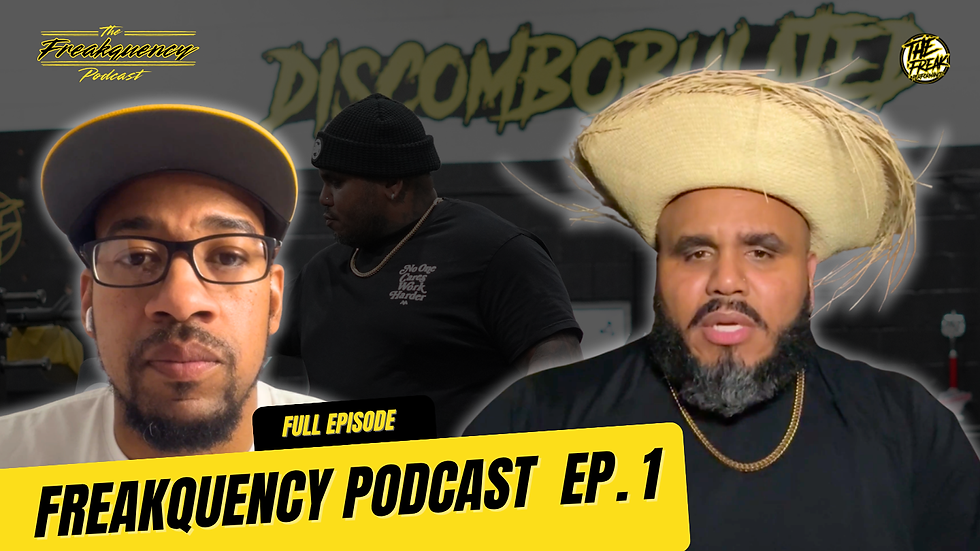
Episode 2 | Freakquency Podcast
There comes a point in many coaching careers where the question stops being "am I good enough?" and starts being "is this the right environment for me?" For Coach Vernon Smith, that question led him from the structured world of university strength coaching into the open — and sometimes unpredictable — landscape of the private sector. In Episode 2 of the Freakquency Podcast, Coach Smith gets candid about what that transition actually looks like: the freedom, the grind, the relationships, and the moments that make it all worth it.
Public vs. Private — What Really Changes?
On the surface, coaching is coaching. But the environment shapes everything — who shows up, why they're there, and what you can actually do with them.
In the public sector, athletes are often required to train. Participation isn't always voluntary, and coaches must align their programs with multiple sports teams and their respective philosophies. The result is a stable income and institutional support — but limited autonomy over your craft.
In the private sector, athletes choose to be there. They're paying for the service, which means buy-in is built in from day one. Coaches have full control over their training methods and programming, and the relationships run deeper. The reward potential is higher — but you build it yourself, from the ground up.
"In the private sector, athletes want to be there. That changes everything about the energy in the room." — Coach Vernon Smith, Freakquency Podcast Ep. 2
The Real Advantages of Going Private
Coach Smith is direct about what drew him to private coaching — and it wasn't just the flexibility. It was the ability to go deeper. When an athlete is paying for your time and choosing to show up, the entire dynamic shifts. You're not managing a roster; you're building a relationship.
He speaks to witnessing firsthand the tangible impact of that investment — including coaching an athlete all the way to the NFL Draft. Those are the moments that don't happen without trust, time, and a training environment built around the individual rather than the institution.
The Challenges Nobody Talks About
Going private isn't just a career move — it's a business decision. And Coach Smith doesn't sugarcoat the harder parts. The private coaching space is crowded, and athletes have options. Retention isn't guaranteed. Parents have opinions. And unlike a university position, there's no safety net if a client walks.
What keeps athletes coming back, he explains, is communication and consistency. You have to show up for the whole person — not just the performance side. That means regular conversations with parents, honest feedback on progress, and being someone the athlete actually trusts beyond just the training floor.
3 Keys to Thriving in Private Coaching
1. Lead With Relationships Rapport isn't a soft skill — it's your most valuable business asset. Athletes stay with coaches they trust, not just coaches who get results.
2. Understand the Competitive Landscape Know who else is operating in your space and what makes your approach distinct. Being good isn't enough — you need to be memorable and consistent.
3. Manage Expectations — For Everyone You're not just coaching the athlete. You're also communicating with their parents, setting realistic timelines, and being transparent about the process. That's the job.
Is the Leap Worth It?
Coach Smith's answer is clear: yes — but only if you go in with your eyes open. The private sector rewards coaches who build genuine relationships, stay adaptable, and treat their work like a craft worth investing in. The freedom is real. So is the grind.
For coaches who've ever felt constrained by systems that weren't built for their athletes — or for them — this episode is the conversation you didn't know you needed.
Key Takeaways from Episode 2
Body Text:
Private sector athletes choose to train — that voluntary buy-in creates a fundamentally different energy and outcome.
Full control over your training philosophy is a major advantage — but it comes with the full weight of business ownership.
Retention in the private sector is built on trust, communication, and showing up for the whole athlete — not just the performance metrics.
Managing parent expectations is part of the job. Coaches who communicate openly keep their athletes longer.
🎙 Watch the full episode now → https://youtu.be/9YmHRWtv0Jk?si=jz5X-xdPKpg0DUdE Don't forget to subscribe to the Freakquency Podcast for new episodes dropping soon.
Comments